📍 Throughout the country
Description
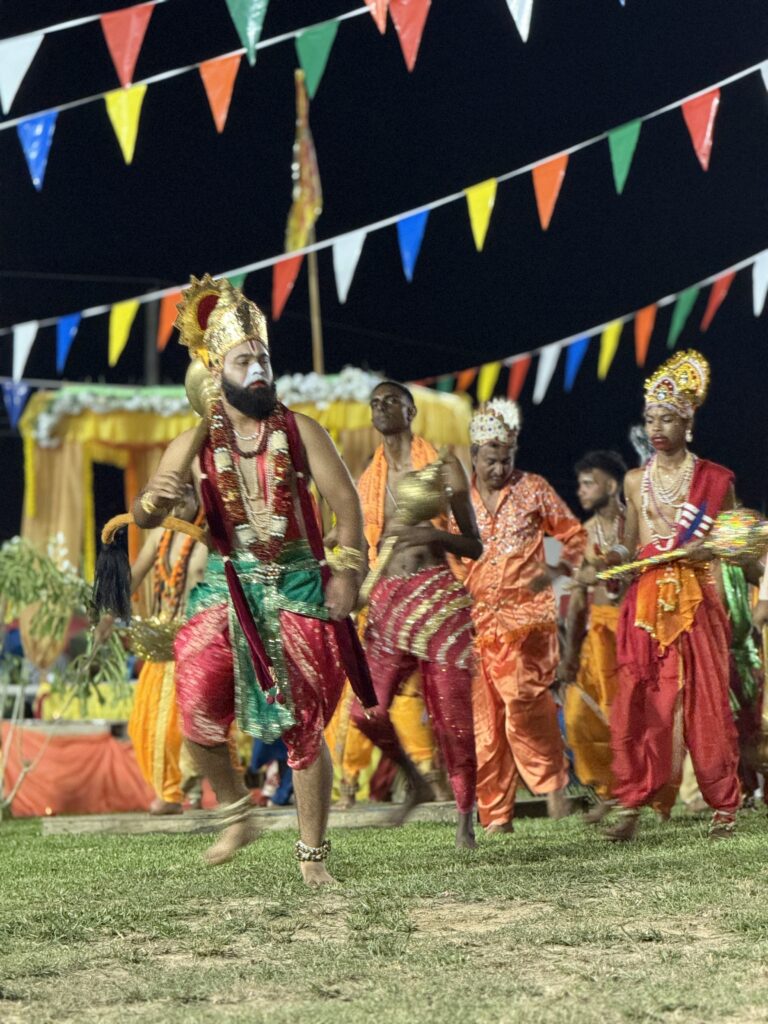
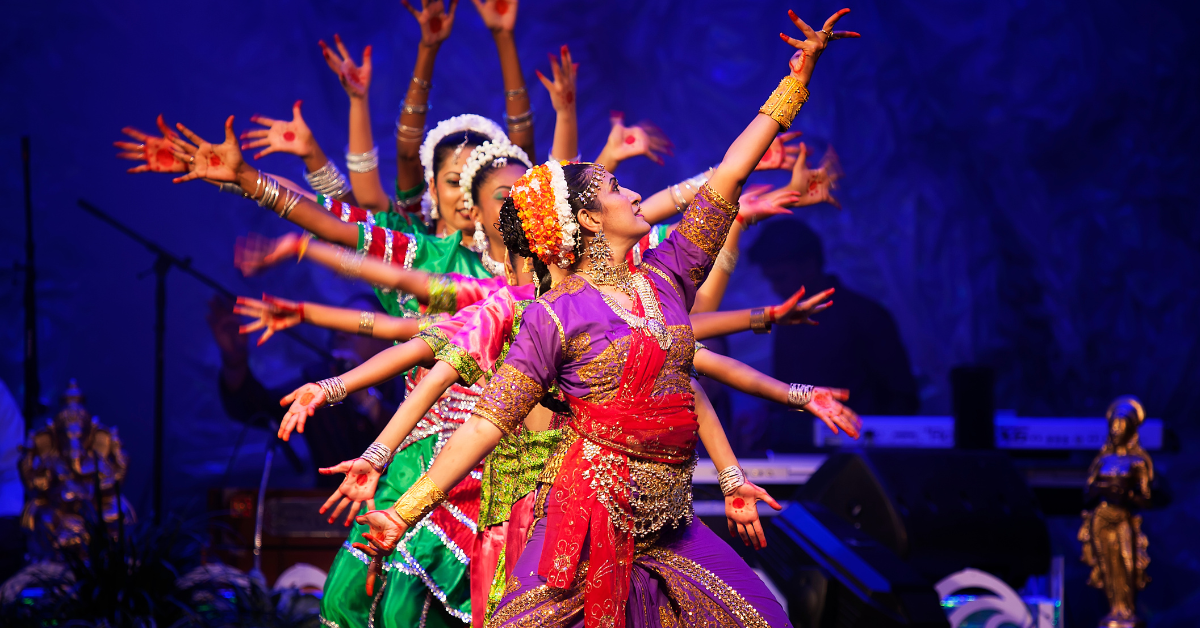
Indian Arrival Day commemorates the resilience and contributions of the East Indian immigrants to Trinidad and Tobago and their descendants, who have profoundly influenced the nation’s cultural landscape. Indian Arrival Day is officially observed on May 30, with celebrations which include music, dance and culinary delights.
Brief History
Indian Arrival Day reocognises the arrival of the first Indian Indentured labourers from India to Trinidad, in May 1845, on the ship Fatel Razack. The Fatel Razack brought not only a new labour force to assist in the economic development of the island, but also a new people with a new culture.
Indian Immigration to Trinidad spanned the period 1845-1917. During this period over 140,000 Indians were transported to the island. The journey was long and arduous and living conditions were deplorable. After disembarking at Nelson Island, the arrivals were fed and rested for a couple weeks and then sent to the various estates that had requested them previously.
In 1994 the day was made an official public holiday, called Arrival Day. In 1995, it was re-named Indian Arrival Day.
Points of Interest
o East Indians who settled in the region, initially came from various regions in India, each with its own language and customs. However, by the late 19th century there was less variations in language as the majority came from Uttar Pradesh.
o East Indian foods such as roti, doubles, saheena, katchowrie, barah, anchar and pholourie have become household names and are consumed by a wide cross-section of the society.
o Indian Arrival Day was officially made a public holiday in 1994.
o The festival was initially referred to as Arrival Day, and the name was changed to Indian Arrival Day in 1995.
o Immigration to Trinidad lasted seventy-two (72) years (from 1845 – 1917)